MaterialsGuide from the studio
3D wallpaper vs 3D wall panels: what’s the difference?
The short answer
In Pakistan, “3D wallpaper” usually means one of two things: a flat wallpaper printed with a picture of depth, or soft self-adhesive foam sheets embossed like brick or stone. A 3D wall panel is different: a rigid PVC tile with real sculpted relief that throws real shadows. Printed and foam versions are quick fixes for dry walls; a sculpted panel holds its shape where foam dents. None of them fixes a damp wall.
On this page10 sections · 8 min read
The difference is depth. Most “3D wallpaper” sold in Pakistan is either a flat wallpaper printed with a picture of depth, or soft foam sheets embossed with a brick or stone pattern that you peel and stick. A 3D wall panel is a rigid PVC tile with real sculpted relief. interiors.pk fits sculpted 3D PVC panels and fabric wallpaper in Islamabad homes, but not foam sheets, and this guide explains why.
What do people mean by 3D wallpaper?
Usually one of two products. The first is a flat wallpaper or mural printed with a picture of bricks, stone, panelling or a landscape that imitates depth. The second is a soft foam sheet, embossed with a brick or stone pattern, with a sticky back. Neither is a sculpted panel, though shops often sell all three side by side.
A smaller third group sits in between: embossed wallpaper, which has a shallow raised texture pressed into it. It is still a wallpaper, pasted flat on the wall, but the texture is real rather than printed. We source UV embossed wallpaper on request.
The search term covers all of these, which is why two quotes for “3D wallpaper” can be for completely different things. Before you compare them, find out which product each one is for.
What is printed 3D wallpaper?
Printed 3D wallpaper is an ordinary flat wallpaper, usually paper or vinyl, carrying a photograph or rendering that imitates depth: stacked stone, bricks, wood panelling, arches or a view. The shadows are part of the print. Some versions are pasted like any wallpaper; others are self-adhesive vinyl that you peel and stick.
The illusion is designed to be seen from straight in front, as in the shop photo. In a room you see the wall from the sofa, the door and the dining table, and the printed shadows never move. The printed light also comes from one fixed direction. If your window is on the other side of the room, the real light and the printed shadows disagree, and the wall starts to look like a picture of a wall.
It makes most sense as a short-term change on a dry wall that you mostly see from one spot. Like any wallpaper, it follows the surface underneath, so every bump, paint ridge and filled crack shows through, and the wall needs to be smooth before it goes up.
What are foam 3D brick and stone sheets?
Foam 3D sheets are soft, self-adhesive tiles of plastic foam embossed with a brick, stone or quilted pattern. You peel off the backing and press them onto a painted wall. The relief is real but shallow and soft: press a brick with your thumb and it squashes, then slowly springs back.
They are sold as a quick do-it-yourself change, and that is their strength: no paste, no tools and no fitter. Their weak points come from the same features:
- The adhesive does all the work. It only holds as well as the paint under it. On chalky, dusty or freshly painted walls, edges and corners can start to lift.
- Heat softens it. Sheets in direct sun from a window, above a heater or near a cooker are usually the first to come loose.
- The joins show. Sheets butt together edge to edge, and unless every one is lined up exactly, the seams read as a grid across the pattern.
- Foam marks. It dents under a chair back or a fingernail, and dirt settles in the mortar lines where a cloth can’t reach.
- Removal can take paint with it. When the sheets come off, the adhesive can pull paint, and sometimes plaster, away with them.
interiors.pk doesn’t sell or fit foam peel-and-stick sheets.
What is a real 3D wall panel?
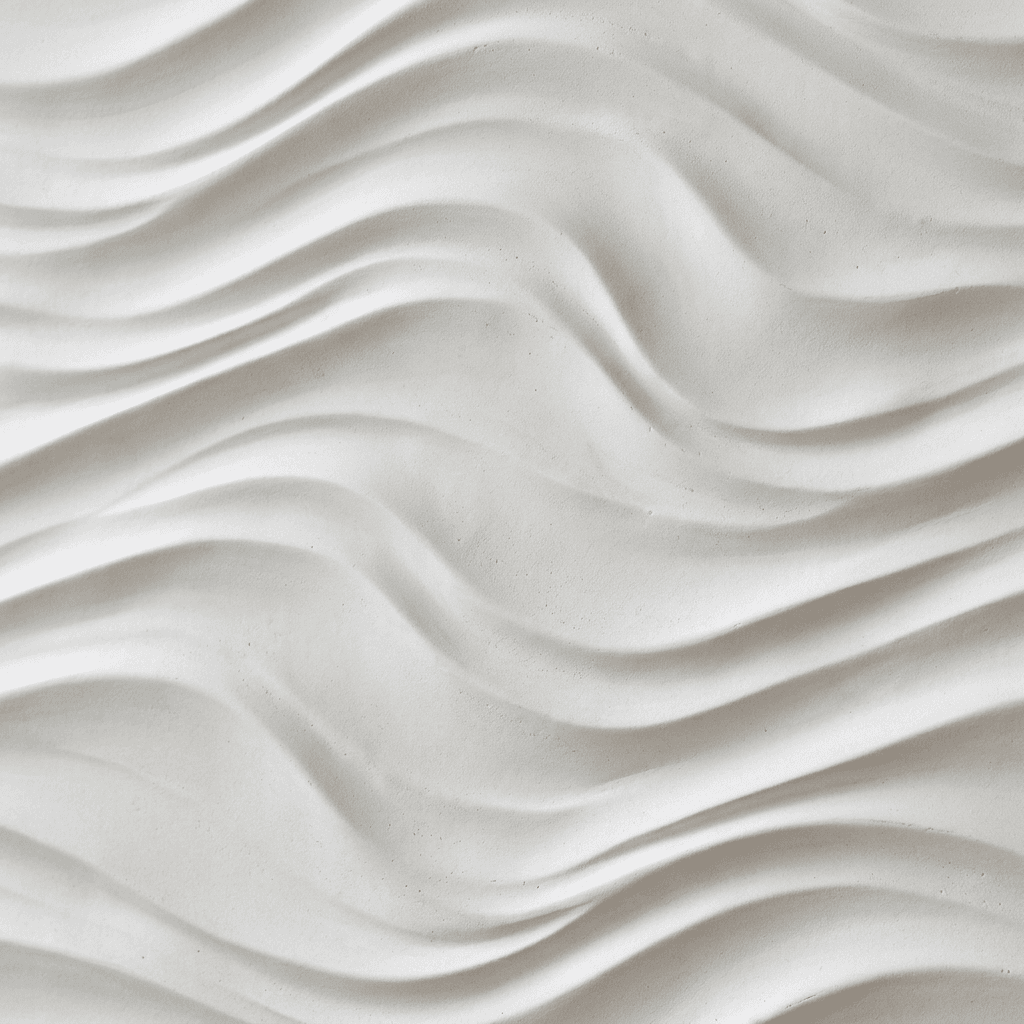
A 3D wall panel is a rigid tile with a sculpted relief formed into its face. Ours is the White wave 3D PVC panel: a 50 × 50 cm (20 × 20 in) PVC tile with a wave relief. Because the relief is real, it throws real shadows that shift as daylight moves across the room and when the lamps come on.
The tiles are set out in a grid and fixed to the wall with adhesive. Every wave has to run the same way and line up with its neighbours, so a fitter starts from a centre line and splits the cut tiles evenly at both ends instead of leaving a sliver on one side. That is also why tiles are counted by the grid, not by area. A 12 × 9 ft wall takes 8 tiles across and 6 rows, 48 tiles in all, because the last column and the top row are cut pieces.
Light decides how a 3D panel looks. Side light, from a window beside the wall or a row of lights close to it, picks out every wave. Light from straight in front, such as a tube light on the opposite wall, flattens it. We treat the White wave 3D PVC panel as a finish for dry indoor walls, and it looks strongest on a feature or accent wall lit from one side. The rest of the range is on our 3D wall panels page.
How do they compare side by side?
The short version: printed wallpaper fakes depth, foam sheets add soft and shallow depth, and a 3D PVC panel adds real, rigid relief. They also go up differently, need different walls and come off differently. The table sets them side by side on the points that matter once they are on a real wall in a lived-in room.
| Point | Printed 3D wallpaper | Foam 3D sheets | 3D PVC panel |
|---|---|---|---|
| What it is | Flat paper or vinyl printed with a picture of depth | Soft self-adhesive foam, embossed like brick or stone | A rigid PVC tile with a sculpted face; ours is 50 × 50 cm |
| Depth | None; the shadows are printed | Shallow and soft | Real relief that throws real shadows |
| In side light | Looks the same; the illusion breaks as you move | Some texture shows | Shadows move with the light through the day |
| To the touch | Smooth and flat | Squashes under a finger | Hard, and holds its shape |
| How it goes up | Pasted, or peel-and-stick vinyl | Peel off the backing and press on | Set out in a grid and fixed with adhesive by a fitter |
| Wall it needs | Smooth, sound and dry | Clean, sound, dry paint | Dry and sound, indoors |
| Coming off | Strips off; the wall then needs repair and paint | Can pull paint or plaster away with it | Comes off with its adhesive; the wall behind needs repair |
How do they cope with damp, steam and heat?
None of them is a cure for damp. Paper wallpaper stains and lifts at the seams. Foam and vinyl don’t absorb water, but their adhesive lets go on a damp wall and they seal the moisture in. A 3D PVC panel is a plastic that water doesn’t harm, yet we still fit it only on dry walls.
On a damp wall the pattern is always the same. The finish hides the wet patch, the plaster behind stays wet, and mould grows in the dark gap. With foam and vinyl, people often only find out when a sheet comes away with mould on its back.
Salts are a second problem. The white powder that seepage leaves on a wall, often called shora, pushes paint off from behind, and anything stuck to that paint goes with it. Fix the source first and let the wall dry; our guide to wall panels on damp walls explains what to look for.
Heat matters too. Every option here is paper or plastic, so keep all of them away from a cooker’s flame and the hottest area right behind it.
Which one suits a kitchen, a children’s room or a rented flat?
In a kitchen, none of the three belongs near the cooker; a wipe-clean UV marble sheet suits the walls around the sink and counters. In a children’s room, foam is the weakest option and a rigid panel the strongest. In a rented flat, peel-and-stick looks easiest, but it can damage the paint as it comes off.
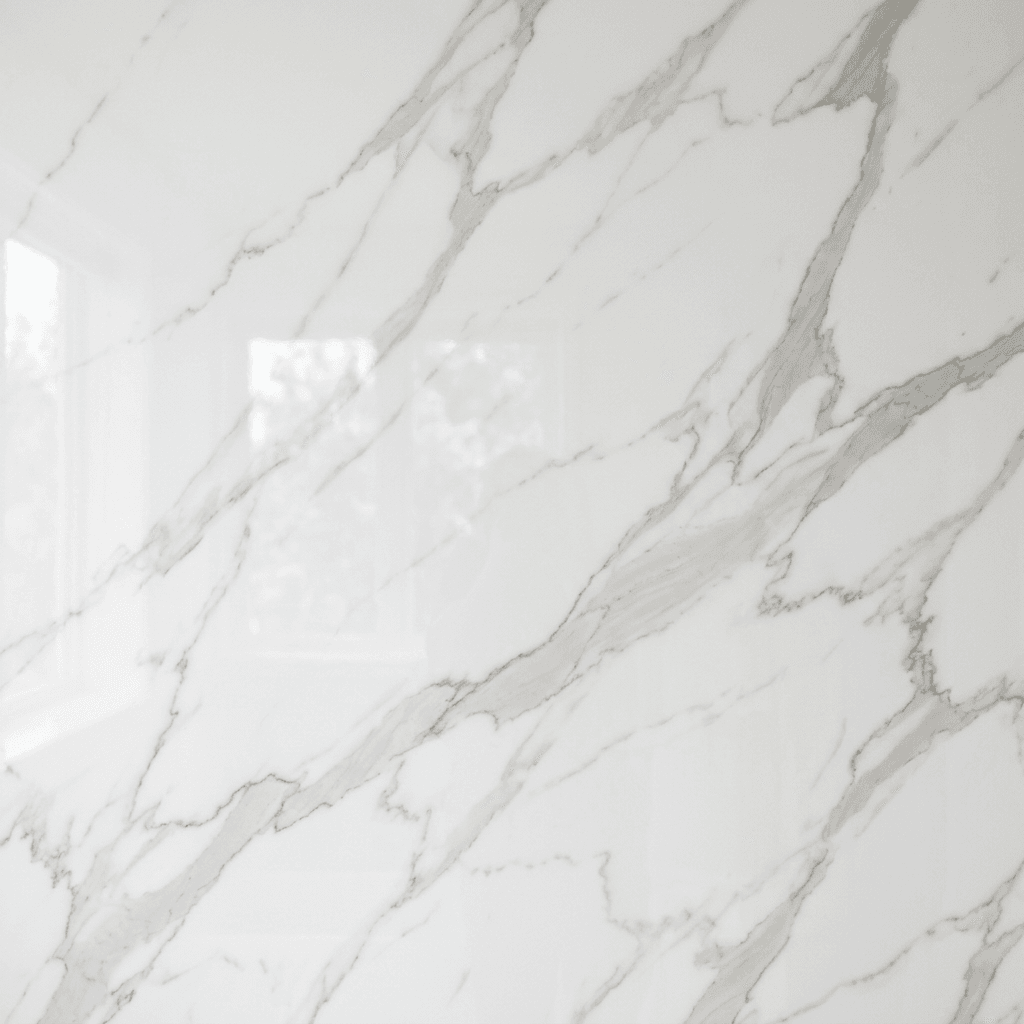
- Kitchen: steam and grease settle in any relief, mortar line or textured print, and they are hard to wipe out. A flat, sealed surface is easier to live with. Our UV marble sheet in White gold is waterproof and wipes clean; keep it clear of direct flame.
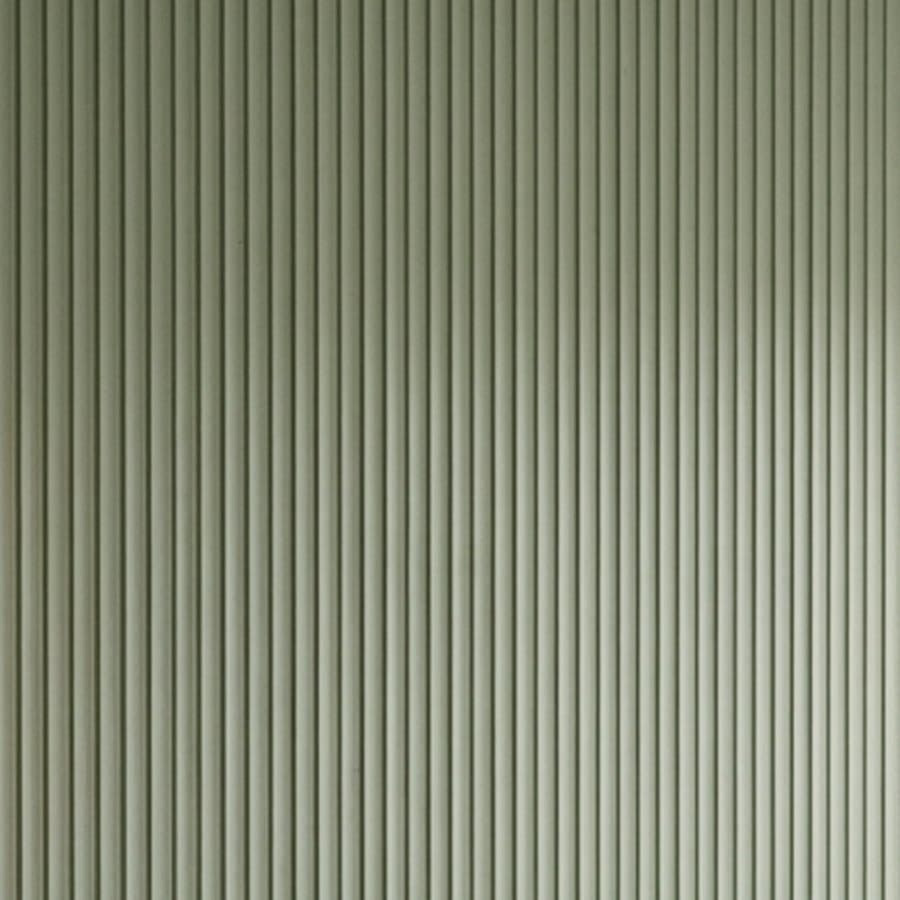
- Children’s room: small fingers find a lifting foam corner and pull. Foam dents, and printed wallpaper scuffs. A 3D PVC panel holds its shape, though a hard knock can still mark any sculpted surface. For a play wall that really takes a beating, the Sage fluted WPC panel in the 170 series is the sturdier choice and wipes clean. Our bedroom wall panels guide has more on bedrooms.
- Rented flat: peel-and-stick is sold as renter friendly, but its adhesive can lift paint on the way off. Stick one test sheet in a hidden corner and peel it after a few weeks before you do a whole wall. Pasted wallpaper strips off, though the wall usually needs repair and paint afterwards. Panels are bonded to the wall and are the longer commitment. Whatever you choose, ask your landlord first.
- Lounge or reception: a sculpted panel is at home here, on a dry wall with light from one side. See our living room wall panels guide for feature walls.
How can you tell them apart in a shop?
Use your hands and a phone torch. Press the surface: foam squashes, a PVC panel stays rigid, and printed wallpaper is flat. Then shine the torch across it from the side. Real relief throws shadows that move as you move the torch. On a printed design, the shadows stay exactly where they were printed.
- Look at the back. Foam sheets have a peel-off backing paper. Wallpaper comes on a roll with a plain back. A panel is a stiff tile that keeps its shape when you hold it up.
- Ask how it is sold and fixed. By the roll and pasted means wallpaper. By the piece with a sticky back means foam. By the tile, fixed with adhesive by a fitter, means a panel.
- Ask what it is made of. “3D” on a label says nothing about the material, so ask whether it is paper, vinyl, foam or PVC.
- Put two pieces side by side. With printed designs, see how often the pattern repeats. With foam, see whether the edges line up without a visible seam.
Which one should you choose?
Choose by what the wall has to do. For a change on a dry wall you mostly see from one spot, printed wallpaper is honest about being a picture. For depth that changes with the light, choose a sculpted 3D panel. For soft texture without depth, choose fabric wallpaper. We don’t suggest foam for a wall you want to keep.
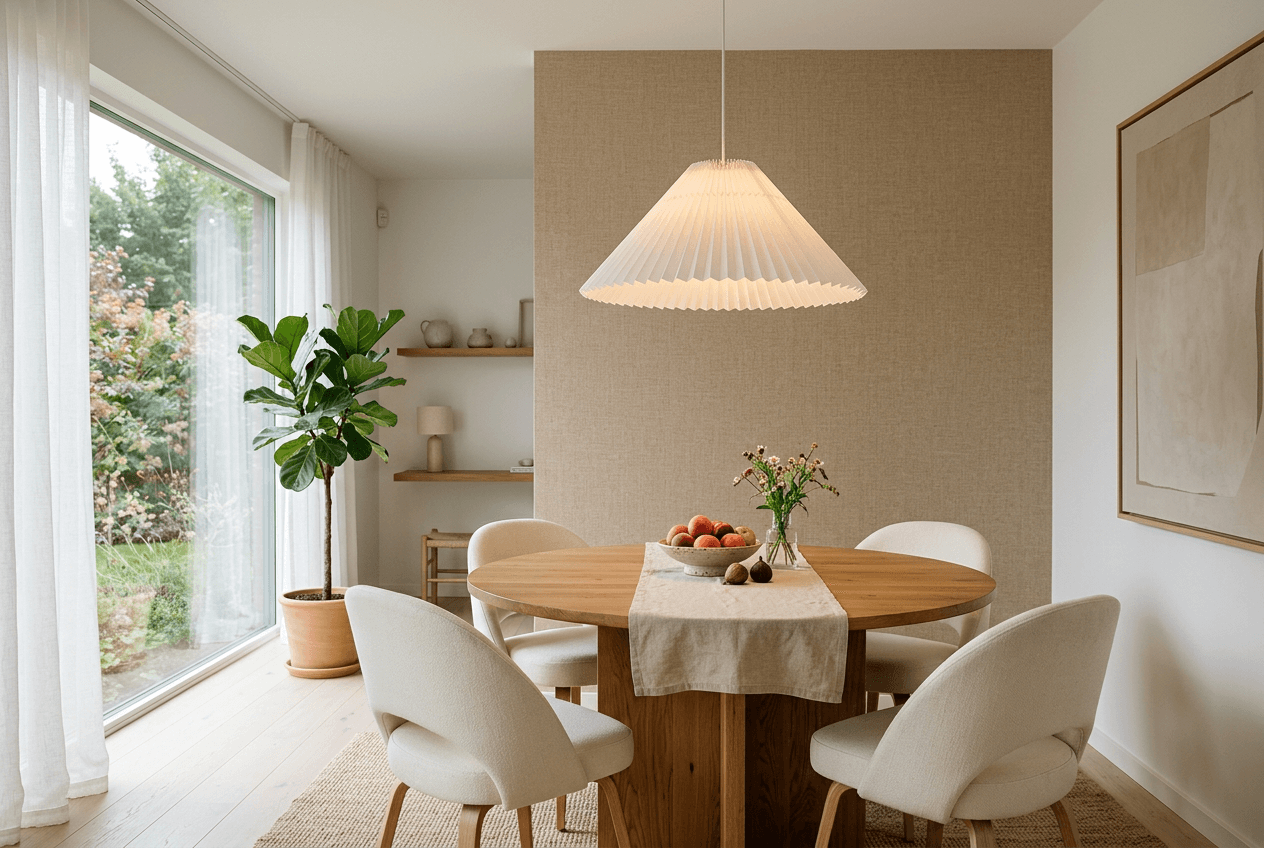
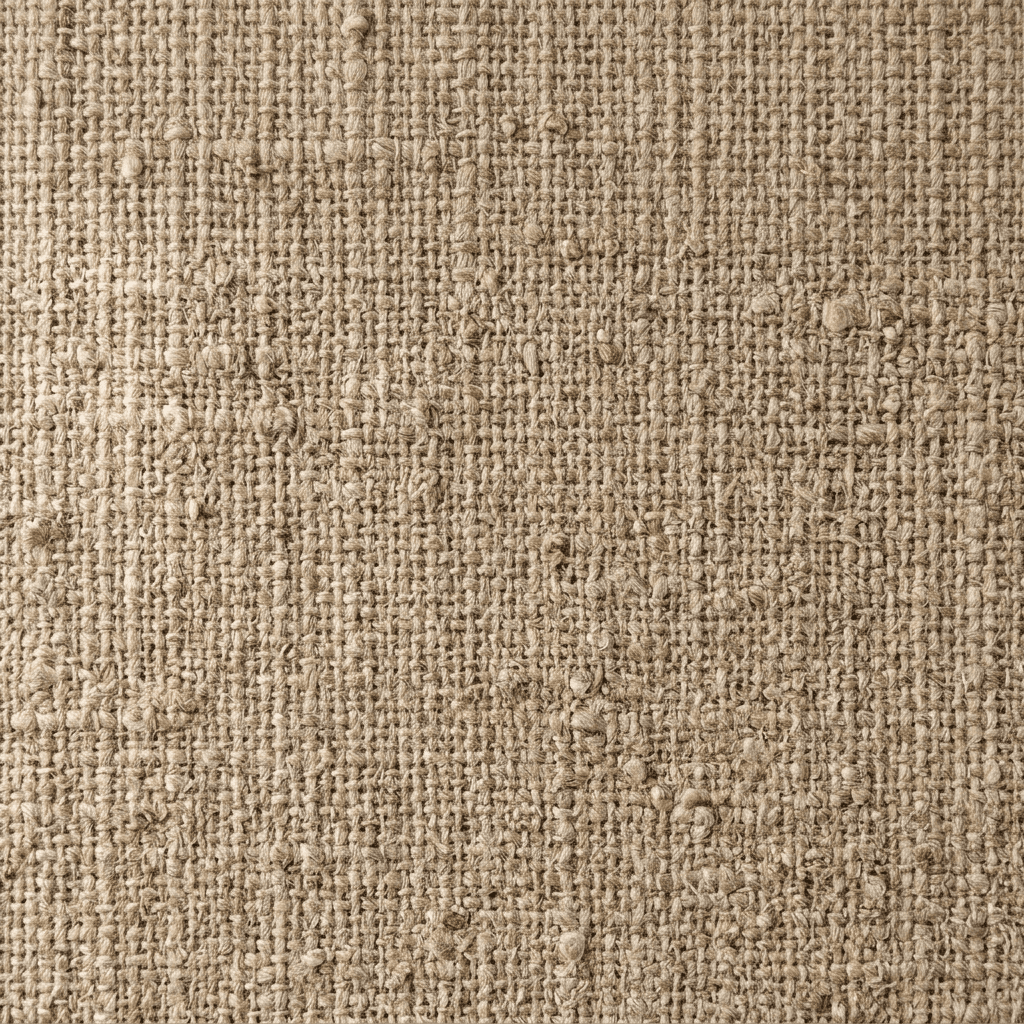
interiors.pk supplies and fits two of these finishes in Islamabad: the White wave 3D PVC panel for real relief, and Linen fabric wallpaper for woven texture on dry walls. Printed 3D wallpaper and foam sheets aren’t part of our range. If you are still weighing paper against panels, our guide to wallpaper vs wall panels compares them room by room.
People also ask
What is the difference between 3D wallpaper and 3D wall panels?
3D wallpaper is usually flat, with the depth printed on, or soft foam with a shallow embossed pattern. A 3D wall panel is a rigid tile, such as our 50 × 50 cm White wave PVC panel, with real sculpted relief that throws real shadows and changes with the light.
Is 3D wallpaper waterproof?
Vinyl and foam versions resist splashes, but their adhesive lets go on a damp wall, and paper versions stain. None of them fixes seepage. Fix the source and let the wall dry before any finish goes on, including a 3D PVC panel.
Can foam 3D wall sheets be removed without damaging the wall?
Not always. Their adhesive bonds to the paint, so removal can pull paint and sometimes plaster away, especially on older or chalky paint. Test one sheet in a hidden corner first, and expect to touch up the wall afterwards.
Does interiors.pk sell 3D foam wallpaper?
No. We don’t sell or fit foam peel-and-stick sheets. Our 3D option is the White wave 3D PVC panel, a sculpted 50 × 50 cm tile, and we also hang Linen fabric wallpaper. We supply and install in Islamabad.
What is the price of 3D wallpaper in Pakistan?
It depends on which product you mean. Foam sheets are sold by the piece and printed wallpaper by the roll, usually for DIY, while 3D panels are usually supplied and fitted, so compare like with like. We don’t list prices: send a photo of your wall and its rough size for a written quote.
About this guide
Written by the interiors.pk studio team, based on the products we supply and install. Sizes and specs are from our current range. Last updated .