Buying guideGuide from the studio
What decides the cost of a wall panel job
The short answer
The cost of a wall panel job depends on the wall as much as the panel: the material and series, the wall’s area and height, any preparation or damp repair, trims and end caps, LED reveals and TV wiring, sockets and access, and how wastage is planned. That is why interiors.pk lists no prices. Send a photo of your wall and its rough size and you get one itemised written quote, confirmed before any work starts.
On this page11 sections · 8 min read
The cost of a wall panel job is decided by the wall as much as by the panel. The finish and series set the starting point. Then the wall’s size and height, its condition, the trims, any lighting or wiring, the cut-outs and the wastage all add to it. interiors.pk doesn’t list prices for that reason: two walls of the same size can be very different jobs.
How much do the material and series matter?
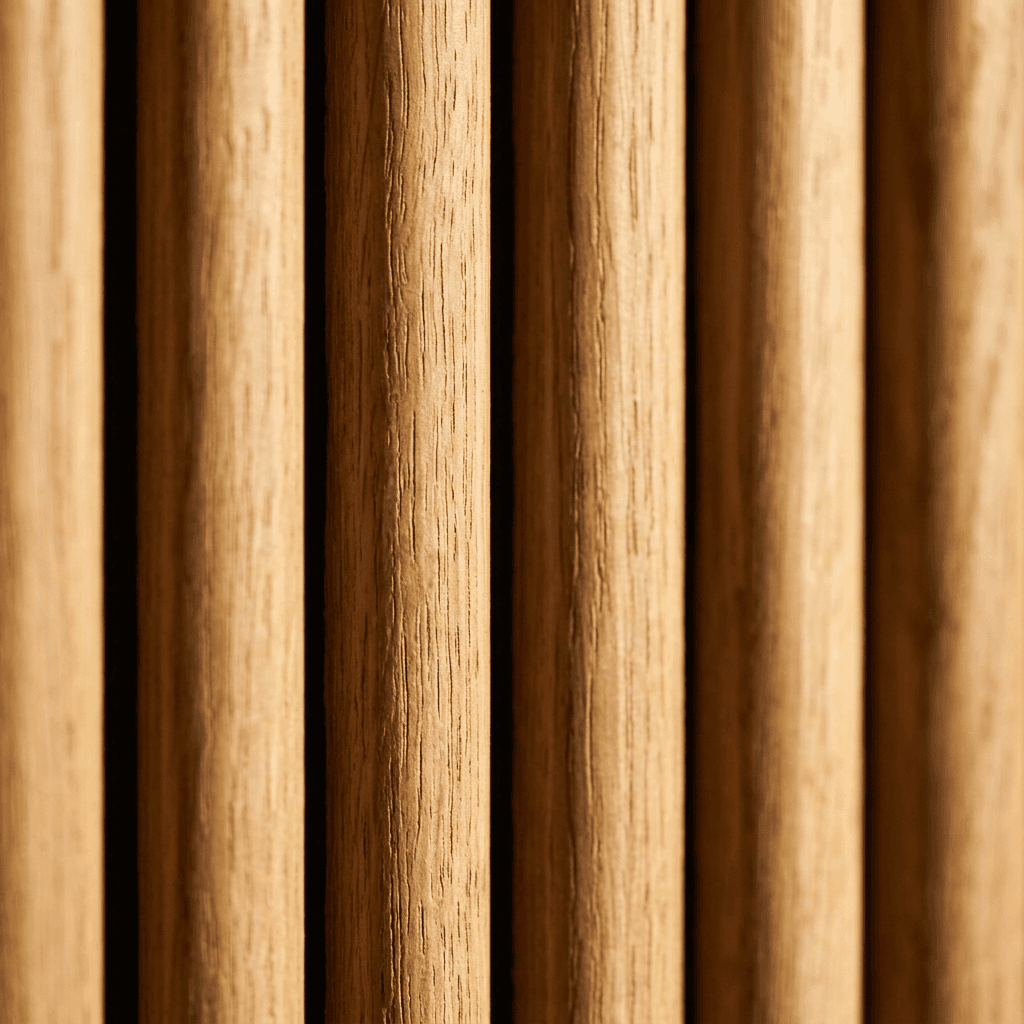
They set the starting point. Fluted and slatted WPC, UV marble sheets, 3D PVC panels and fabric wallpaper are different products with different costs. Within WPC the series matters too: a 160 series board is 24 mm thick, a 195 series board 14 mm. Compare the same product, series and thickness, never just the word “panel”.
Width changes the count as well as the look. Across a 12 ft wall, our 160 series takes 23 panels, the 170 series 22 and the 195 series 19, before spares. So a price per panel and a price per sq ft can point in different directions for the same wall.
| Finish | Sold as | What to compare |
|---|---|---|
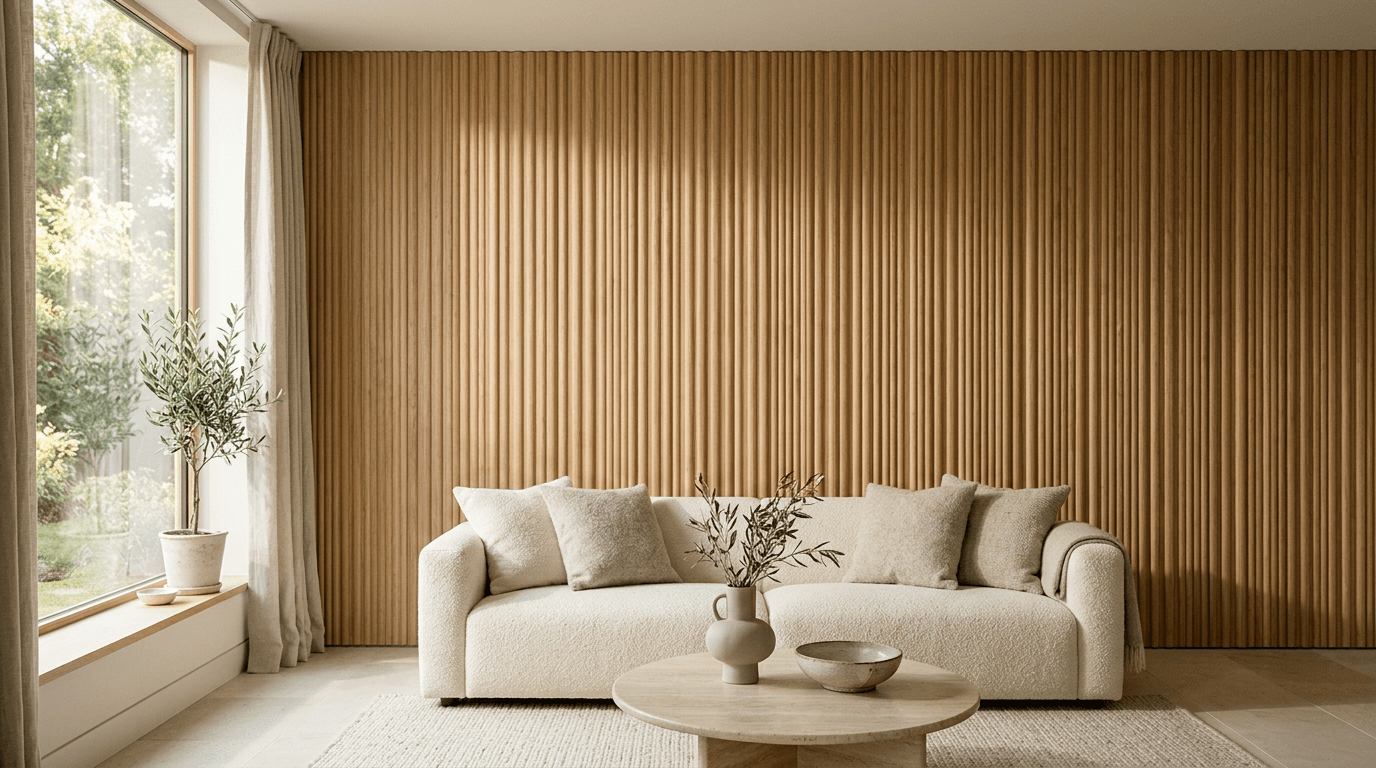
| Fluted and slatted WPC | Panels, 2.9 m long | Series (160, 170 or 195), thickness and the number of panels across the wall |
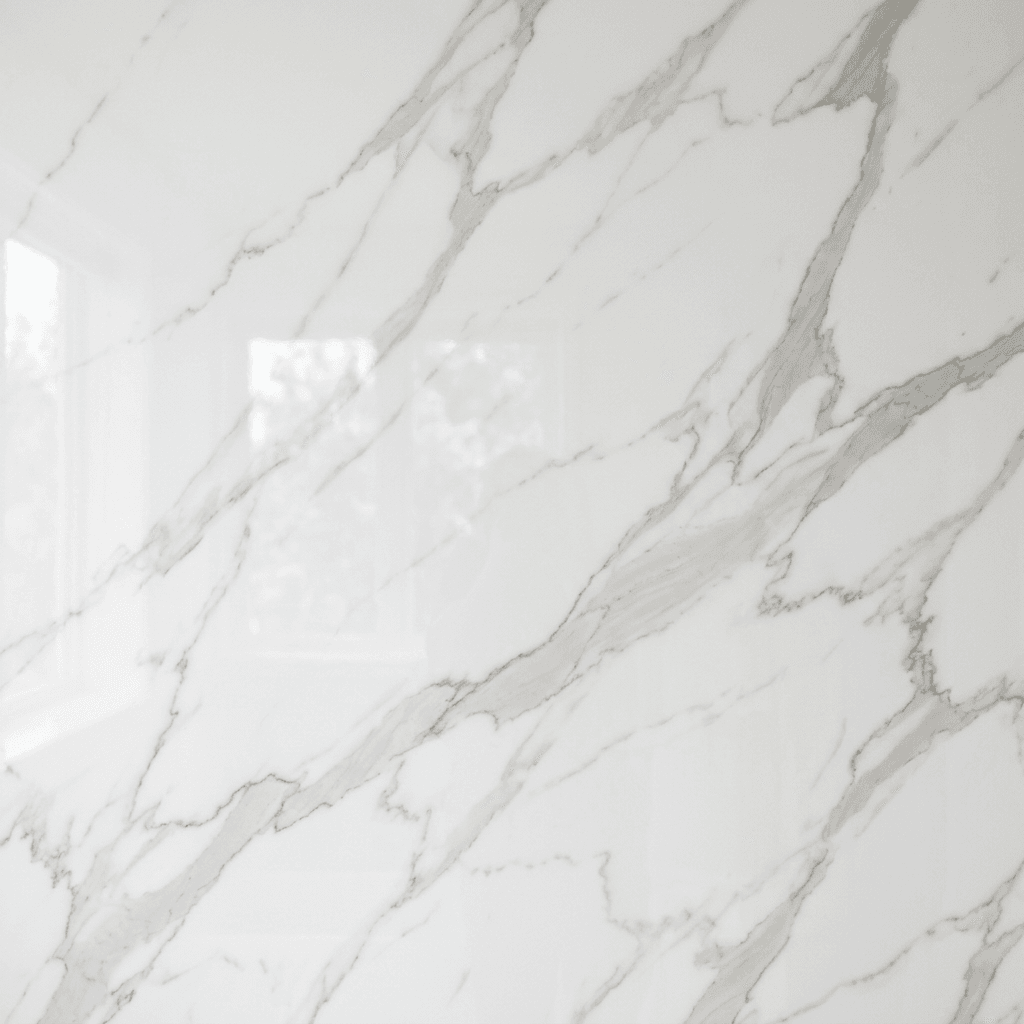
| UV marble sheet | Sheets, 1220 × 2900 mm | Thickness (ours is 3 mm), the UV-cured face and the number of sheets |
| 3D PVC panel | Tiles, 50 × 50 cm | The grid count, including cut tiles at the edges |
| Fabric wallpaper | Rolls | The number of rolls once the pattern and drops are planned |
How do wall area and height change the job?
A bigger wall takes more material and more fitting time, but height changes the job in steps. Our panels and sheets are 2.9 m long, so a wall up to about 9 ft 6 in takes one length top to bottom. Above that, every strip needs a planned join or a trim, which adds material, cuts and time.
Width works the same way. Every extra panel or sheet across the wall is another full length, even when only a strip of it is used. A 10 ft wall needs 2.5 UV sheets across, so it takes 3.
Double-height lounges and stair walls need a tower or scaffold to work safely at the top. A stair wall also has a sloping bottom edge, so every panel along it is cut at an angle and fitted one by one.
What if the wall needs preparation or damp repair?
Preparation is the line that varies most from wall to wall. A dry, sound wall needs little. Loose paint, hollow plaster or old stains need fixing first, and wallpaper or gloss sheets need a smoother wall than fluted panels do. Active seepage has to be repaired by the right trade, and the wall left to dry, before any finish.
Damp repair isn’t panel work. A roof leak, a burst pipe or rising damp is a job for a waterproofing contractor or a plumber, and it is priced separately. It is still part of the true cost of the wall, so plan for it rather than covering it: panels fitted over seepage have to come off when the leak is finally fixed. Our guide to wall panels on damp walls explains the signs.
Removing old panelling, wallpaper or a cornice that is in the way is a separate piece of work too, and a quote should say whether it is included.
Why do trims and end caps change the price?
Because every place a run of panels stops needs one. End caps close the last panel at a door or window, corner trims finish outside and inside corners, and top trims and skirting finish the ceiling and floor lines. A wall with two doors and a pillar needs far more trim than a plain wall of the same size.
Trims are also the item most often missing from a low quote. A wall fitted without end caps or a proper top line looks unfinished, and trims are much harder to add once the panels are up than to plan in from the start. Our fluted wall panels guide explains what each trim does.
What do LED reveals and TV wiring add to a media wall?
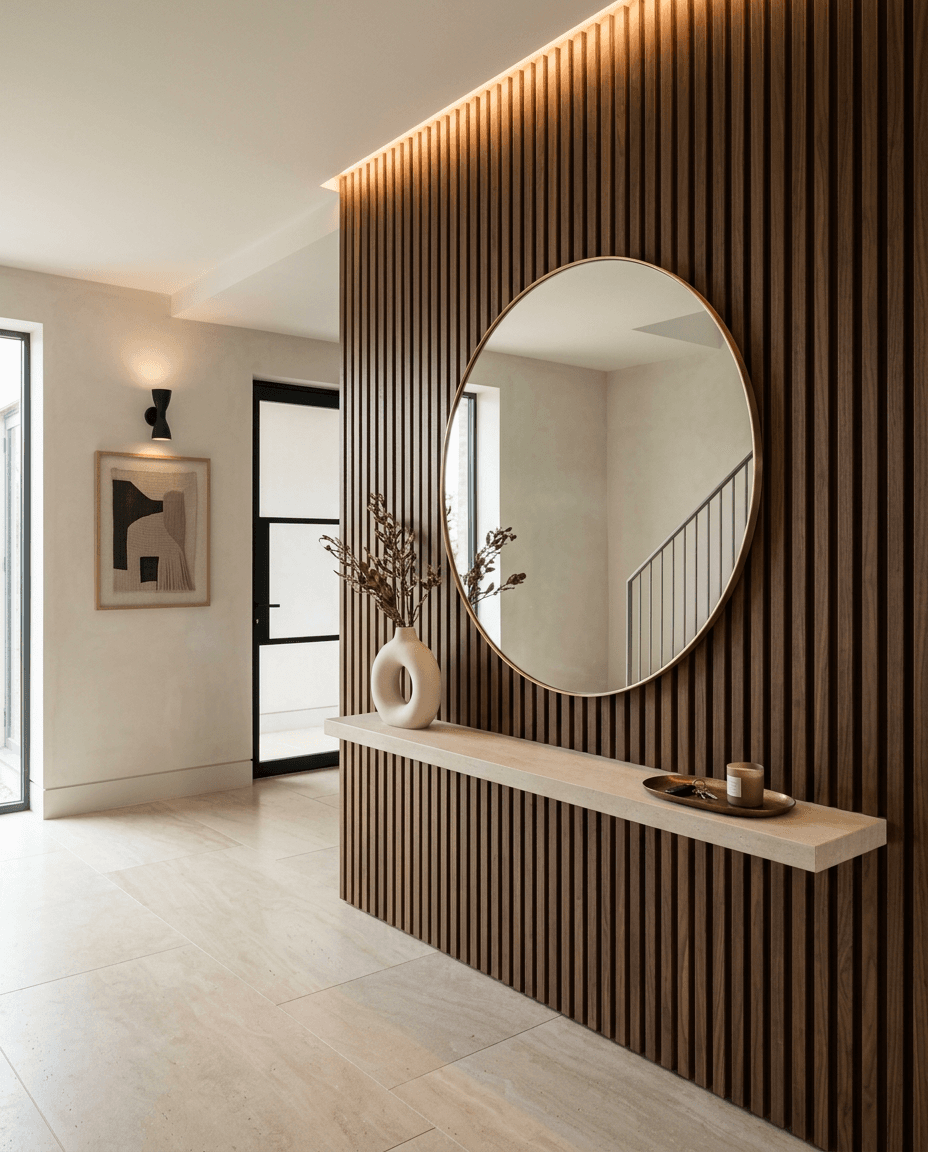
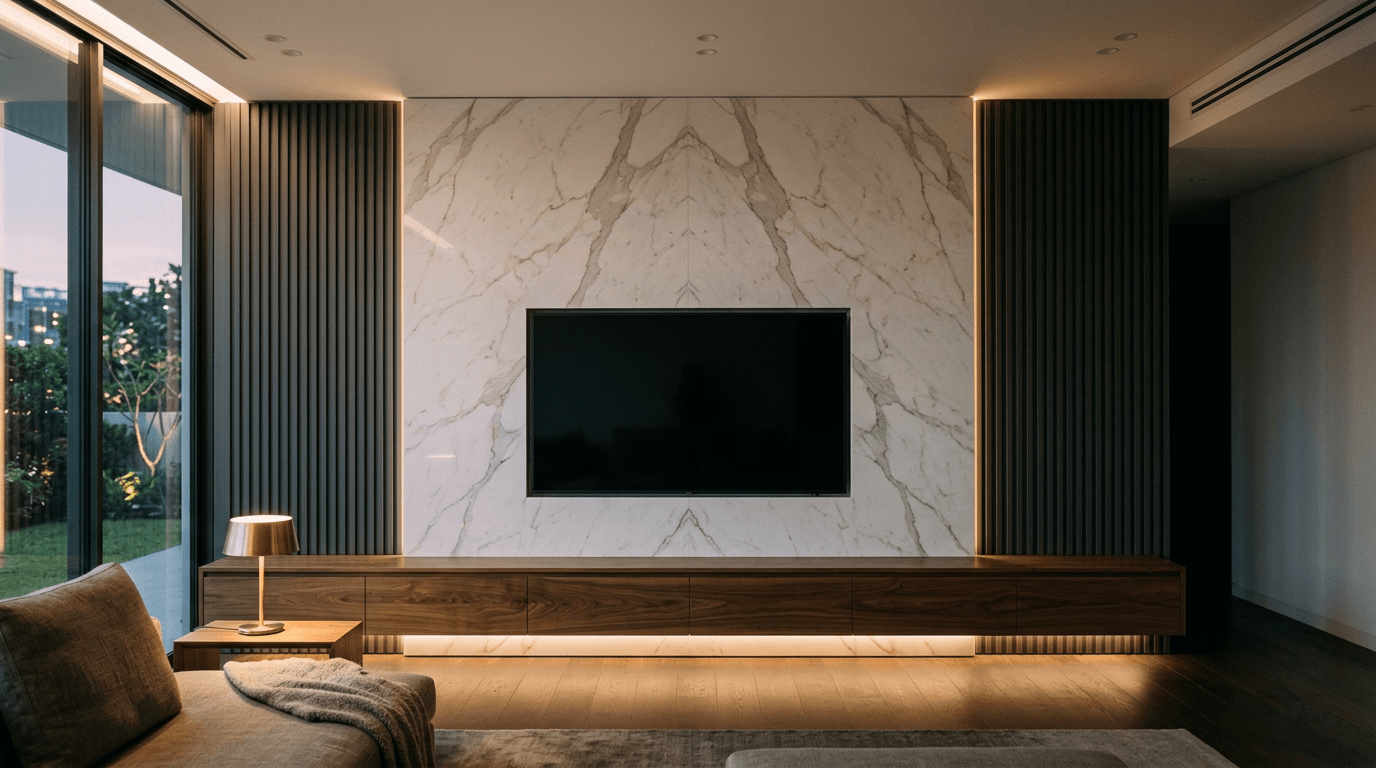
A media wall is more than panels. A warm LED reveal needs a slim recess, the strip itself and a driver placed where it can be reached. Hidden TV wiring needs sockets behind the screen and a cable channel down to the console, all planned before any panel goes up. Each of these is its own line on a quote.
The panel layout has to work around the electrics, so cut-outs land neatly on a flute line instead of in the middle of a panel. The LED driver, the small box that powers the strip, should sit where it can be reached without taking a panel off.
New sockets, a UPS or inverter point and any rewiring are an electrician’s work. Ask whether a quote includes the electrician, or whether your own electrician runs the wiring and the panels are planned around it. Our media wall design guide shows a finished wall.
How do access, sockets and switches affect the job?
Every obstacle on a wall turns into fitting time. Each switch board, socket, AC pipe and window needs a measured cut-out, and on a 24 mm panel each one also needs a planned finish, because the panel stands well proud of the wall. Furniture to move, a fixed cabinet or a tall stairwell all add time too.
A blank 12 × 9 ft wall and the same wall with a window, a split AC and six sockets are very different jobs, even though they are the same size. The second uses more panel and far more cutting.
Getting the material into the room counts as well. A 2.9 m panel or sheet needs a clear route up the stairs, round the landing and through the door, which is worth checking in an upper-floor flat with a narrow stair.
How is wastage planned?
Wastage is planned by counting, not guessing. Panels are counted across the width of the wall and rounded up, then one or two spares are added for cuts and cut-outs. Offcuts from trimming a 2.9 m panel to height are usually too short to reuse. Sheets and 3D tiles are counted by the grid, including cut pieces.
That is why area maths under-orders. A 12 × 9 ft wall is 108 sq ft, and one 160 series panel covers about 5 sq ft, so dividing one by the other says 22 panels. Counting across the width says 23, before spares. On 3D tiles the gap is wider: area says 41 tiles for the same wall, the grid says 48.
A patterned finish can need a little more. With marble sheets, a spare sheet can give the fitter room to order the veins well. Our guide on how to measure a wall for panels shows the working for every series.
Why are per sq ft prices online misleading?
Because they rarely describe the same job. Many are for the material alone, not fitted. Some are for a thinner or different series from the one in the photo. Most leave out trims, end caps, adhesive, wall preparation, cut-outs, LED work and delivery. And sq ft maths under-counts, because panels are bought in whole lengths.
- Supply only or fitted? A material price and a fitted price are different numbers for different work.
- Which product? “WPC panel” covers several series and thicknesses, and “marble sheet” covers sheets with and without a UV-cured face.
- What is left out? Trims, adhesive, preparation and cut-outs are often missing, and they are where the real job lives.
- Which unit? Per panel, per sheet, per running foot and per sq ft are all used, and they can’t be swapped for one another.
A figure on a web page can’t know your wall’s height, its condition, its sockets or its corners. The site doesn’t list prices because the price depends on the wall, and a single number would be wrong for most walls it was used for.
How does interiors.pk price a wall?
From your wall, not from a rate card. You send a photo of the wall and its rough size, through the quote form or a chat with the studio, and we send one itemised written quote: the finish, the area, the trims, any LED or wiring channel and the fitting, each on its own line.
The quote doesn’t change on the day, and we confirm the measurements before any work starts. Work goes ahead only when you accept the written quote. A deposit confirms your installation date, and the balance is paid at handover. If you change the job, for example by adding a wall, the change is agreed in writing first.
A good photo helps: the whole wall, straight on, in daylight, plus close-ups of switch boards, the AC, any stains or flaking paint, and anything unusual. Add the rough width and height, and tell us the finish you have in mind if you know it.
What should you ask for in any quote?
Ask for it in writing and line by line, so you can compare quotes fairly. A quote should name the exact product, say whether fitting is included, show how the quantity was worked out, and list the trims, preparation, cut-outs and extras. It should also say whether the price can change on the day.
- Supply only, or supplied and fitted?
- The exact product: material, series, width, thickness, length and colour.
- How the quantity was worked out: panels across the width, sheets or tiles, and spares.
- Which trims are included: end caps, corner trims, top trims and skirting.
- Adhesive and fixings.
- Wall preparation: what is included, and what happens if damp is found.
- Cut-outs for switch boards, sockets, AC pipes and windows.
- For media walls: the LED recess, strip and driver, the cable channel, and who does the electrical work.
- Removal of old panelling or wallpaper, if any.
- Delivery to your floor, and the clean-up afterwards.
- Whether the price can change on the day, and how changes to the job are agreed.
- The payment terms, and the guarantee in writing.
A quote from interiors.pk lists the finish, the area, the trims, any LED or wiring channel, and the fitting and clean-up as separate lines, comes with a written workmanship guarantee, and doesn’t change on the day. Our own crew fits every wall in Islamabad.
People also ask
How much do wall panels cost in Pakistan?
It depends on the wall: the finish and series, the area and height, preparation, trims, LED or wiring work, cut-outs and wastage. That is why we don’t list prices. Send a photo of your wall and its rough size, and we send one itemised written quote.
Why doesn’t interiors.pk show prices online?
Because the price depends on the wall. A figure on a web page can’t know your wall’s size, height, condition, sockets or trims, so it would be wrong for most walls. An itemised written quote for your own wall is the honest number.
Is installation included in a wall panel price?
In ours, yes: the written quote covers the finish, the trims and fitting by our own crew in Islamabad, each on its own line. Many prices online are for the material only, so always ask whether a figure is supply only or supplied and fitted.
Are wall panels priced per square foot?
Often, but per sq ft figures under-count, because panels and sheets are bought in whole lengths and short offcuts are wasted. They also tend to leave out trims, preparation and cut-outs. Ask for a quote worked out from your wall, panel by panel.
Can the price change on the day of installation?
Not with us. The written quote is confirmed before any work starts, and it doesn’t change on the day. If you change the job, for example by adding a wall, the change is agreed in writing first.
About this guide
Written by the interiors.pk studio team, based on the products we supply and install. Sizes and specs are from our current range. Last updated .